Cancel Culture: What Students Really Think
Exploring accountability, redemption, and the impact of online call-outs through youth perspectives
Our Findings
On the internet, when someone does something wrong, it feels like the end of the world. One inaccurate post or personal decision and all of a sudden, followers of content creators turn on them, condemning them and their behavior. While certain bad actions should never be tolerated nor accepted, this culture of criticizing can often escalate beyond accountability.
This month, we polled students across the world about their perspectives on being “cancelled,” an online phenomenon where internet users boycott specific creators in response to controversial behavior. There were five mandatory questions and one optional one.
Role of Creators
We asked whether they saw them as more of guidance, entertainment, or a midpointSituational Questions
We then presented two situations for students to evaluate how they’d react in the face of a “cancelable” situation: first about if a celebrity were to express hatred for a group of people and second if they were just misrepresenting facts about their life. We asked if they’d continue to watch their content, or if they’d just watch it less.Responsibility of Creators
We asked respondents if they thought content creators should be under increased scrutiny due to their influenceDefinition of Cancelling
Just to gauge the extent to which students take cancelling, we asked how they define it
Optional: Personal Judgement
We asked if students had ever found themselves making judgement about an influencer without all the information.
💬 I see the definition of 'cancelled' as a de-platforming an individual however this hardly happens in practice. Most times, cancellation is a period where a figures reputation is ruined due to a scandal, etc. 📉
— Student Perspective
🚫 My definition of being cancelled is someone who is being rejected by the public because of their actions/beliefs. This can occur because they say or do something that is harmful and controversial. 💔
— Student Perspective
💭 Sometimes a creator does not mean to have bad intentions or never thought their actions would be seen as negative. 🤷
— Student Perspective

Auckland, New Zealand
Our findings:
Most students had mixed feelings about the new phone ban. Some said it helped them focus in class, but others said it didn’t make much difference. A few students felt more stressed or bored during breaks because they couldn’t use their phones. Lots of students suggested allowing phone use during interval and lunch.The phone ban has some good effects, like better focus, but it has its downsides.
A fair solution might be to let students use their phones during break times while still keeping them away in class.
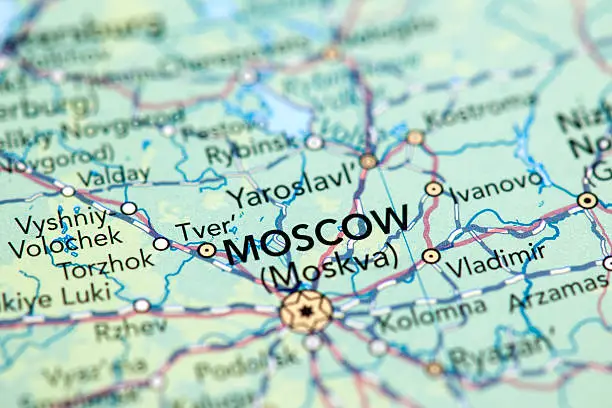
Moscow, Russia
Introduction
I surveyed 23 students at a school with approximately 2000 students about their perspectives on influencer culture and “cancel culture” in Russia. The survey was open for responses for 1 week. The results reveal a nuanced stance: while teens primarily view content creators as entertainment and are willing to separate art from the artist, they also demonstrate a thoughtful consideration of the ethics of public life and social accountability.
Results
- Content Perception: The vast majority (13 out of 23) view influencer videos primarily as entertainment. Only 2 people see them as a guide, while 8 occupy a middle ground.
- Reaction to Scandals: If a favorite creator were discovered to be hateful or rude towards a group of people, most (12 out of 23) responded “Less,” meaning they would reduce consumption of their content. Only 6 gave a definitive “No,” and 5 said “Yes.”
- Reaction to Deception: If it turned out an influencer misrepresented facts about their life, the pattern is similar: 14 people would consume their content less, 2 would not, and 7 would.
- Increased Scrutiny: When asked if public figures deserve more scrutiny because they chose to publicize their lives (on a scale of 1-5), opinions were divided. The average score was 2.74, indicating moderate agreement. The range was wide—from 1 to 5—showing a lack of consensus on this complex issue.
- Definition of “Cancellation”
Answers were surprisingly mature and structured. Most define it as a public boycott, condemnation, and withdrawal of support from a media personality due to unacceptable actions or statements. Many highlighted the difference between Western “cancellation” and the Russian context, where it often turns into a “method for hype” or harassment.
- Personal Judgment
When asked if they judge an influencer without evaluating the evidence, the overwhelming majority (15 out of 23) answered “No.” Students demonstrated critical thinking, noting they form opinions based on the “level of veracity of the evidence and personal moral convictions,” try to “look for primary sources,” and “examine the situation from different angles.”
“My attitude towards a public figure after an exposé is based on the level of truthfulness of the evidence and my personal moral beliefs.”
An emotionally charged response illustrating the potential consequences: One respondent cited the tragic example of a Japanese singer driven to suicide by “cancellation,” concluding: “His crime? That he felt awful?” This answer shows how teens recognize the destructive, punitive side of this phenomenon.
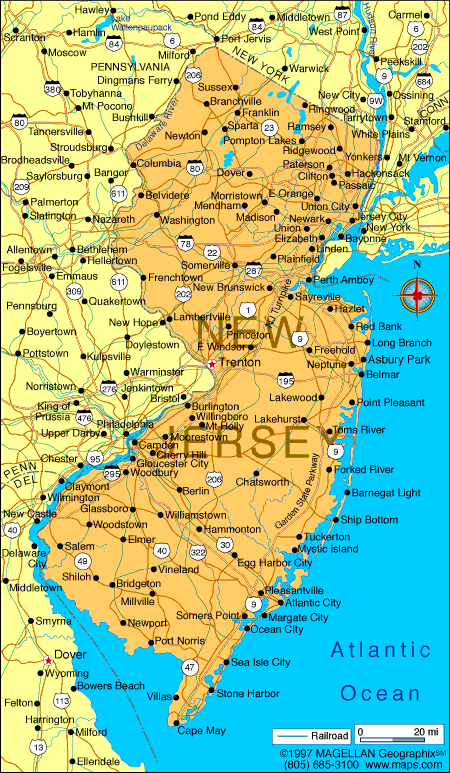
New Jersey, USA
Based on responses from students in New Jersey, the results show that their perspectives on content creators and cancel culture are generally balanced rather than being one extreme.
- Content Perception: Most of the students see influencers as entertainment or a mix of entertainment and guidance, which suggests that they don’t fully rely on these influencers to cultivate their beliefs and ideas.
- Situational Responses: If creators were to be involved in hateful behavior many people chose to consume less of their content or keep watching it. This indicates that while they acknowledge the wrongdoing that creator has committed students still choose to consume their content just in moderation. Similarly, if their favorite creator was misrepresenting facts around 50% of students would simply watch less of that person, again showing that they understand what they are doing, yet they choose to keep watching as it doesn’t affect them too much.
- Increased Scrutiny: When asked if they believe that influencers should be put under more scrutiny due to their ability to influence the public on a scale of 1-5, the average scrutiny rating being 3.14 shows that students believe influencers should be somewhat held more accountable but to an extent.
- Definitions of Cancelling
For the definition of cancelling, the majority of students defined it as social ostracism, loss of support and how that leads to them overall being cancelled.
Virginia, USA
Introduction
We polled 21 high school students in the DMV to ask them their opinions about the role of online creators in their lives, and what it means to “cancel” someone. Overall, the results demonstrated that students felt a sense of distance from creators, but at the same time acknowledged the emotional impact that they have on people’s lives and decisions.
- Content Perception: Results leaned slightly more towards entertainment (57%) while the remaining 43% identified with a sort of middle ground. None of the 21 respondents reported using content creators as guidance.
- Situational Responses: For the first situation, 58% of students reported that they’d stop watching their content all together, and another 33% reported they’d consume their content less. On the other hand, for the situation about misrepresenting facts, it was almost flipped: 58% of respondents actually reported that they would rather just watch their content less, and 38% said they’d stop consuming content altogether.
- Increased Scrutiny: When asked if they believe that influencers should be put under more scrutiny due to their ability to influence the public on a scale of 1-5, students leaned towards greater scrutiny, with an average of 3.38.
- Definitions of Cancelling
Generally, responses reflected the sentiments of the following:
“[a person] los[ing] their platform as people disapprove of their character and or actions. This is my definition of what I have seen online, this is what happens when someone is cancelled.” Some chose to define cancelling as being over a specific period of time, during which the public could get over this phenomenon, while others saw it as the last straw that people cannot redeem themselves from, leading to social isolation/rejection.
- Optional: Have you ever judged without all the information?
10 of the 15 respondents reported that they’d judged without all the information. However, many respondents also acknowledged that they try to have all the information before making such an assumption.
The results reflect that students are aware of the influence content creators have over their consumers—which is why the average was around 3.38, but at the same time reflects that students don’t necessarily think of these content creators as the end-all-be-all—rather, they consider them formative components of people’s worldviews.
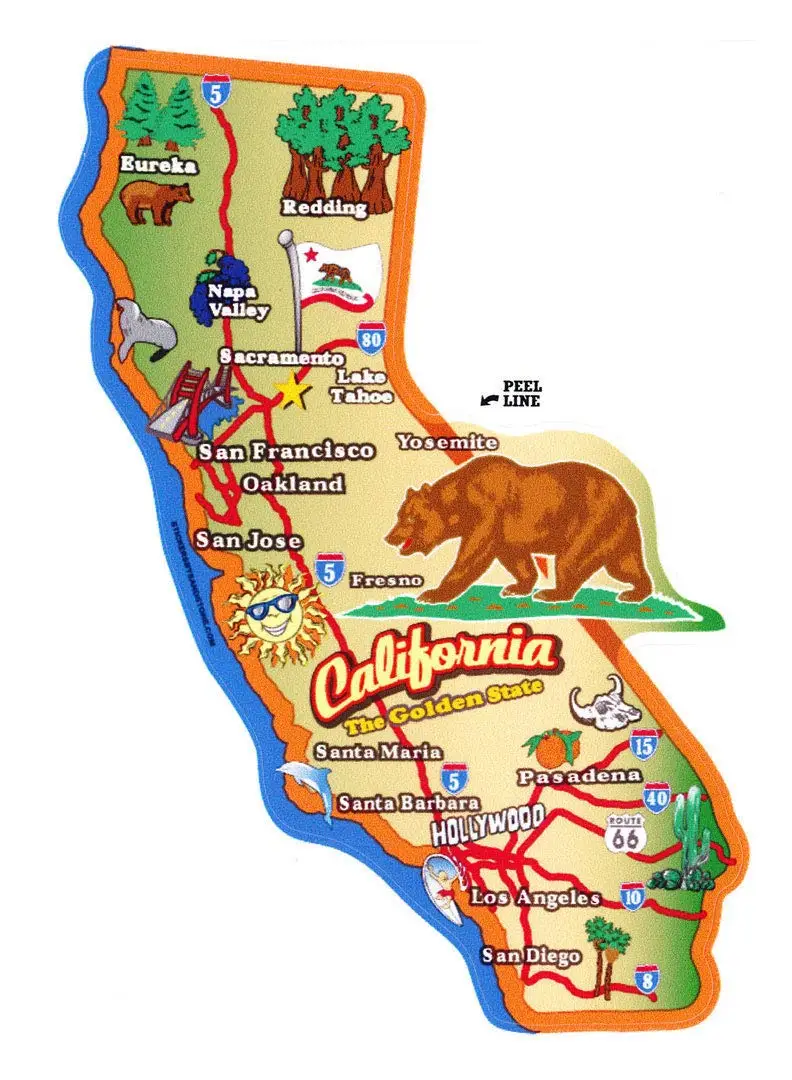
California, USA
Introduction
We polled 27 high school students from Southern California about their opinions on cancel culture and their perceived relationships with online creators.
- Content Perception: 59% of respondents reported that they felt content was both entertainment and guidance, and 29% felt that it was solely entertainment. The remaining 11% identified with guidance.
- Situational Responses: In terms of personal behavior, if presented with a content creator who was hateful, most respondents said they would just disengage by watching or consuming less content (55%) or ceasing watching them at all (40%). Notably, these figures shifted when the situation was about creators misrepresenting their own lices, where 60% reported that they’d just watch them less, and only 22% would remain constant consumption.
- Increased Scrutiny: When asked if they believe that influencers should be put under more scrutiny due to their ability to influence the public on a scale of 1-5, students were quite on the fence, at around 2.74
- Definitions of Cancelling
Among the responses, most participants described getting “canceled” as a social process driven by public backlash rather than an official punishment. Common definitions emphasized public shaming, heavy criticism, loss of support, and a decline in relevance, particularly on social media platforms.
Another common definition was creators losing followers, attention, or credibility due to controversial actions or statements, or being pushed away from online platforms. While some felt it can serve as a form of accountability, there was also concern that it often goes too far, leading to harassment or long-term damage to people’s careers based on inaccurate information.
- Optional: Have you ever judged without all the information?
Notably, many admitted they have jumped to conclusions in the past, often influenced by majority opinion or serious allegations, although many expressed an effort to fact-check and wait for further evidence before solidifying their judgments.
Why Love Nature
Your customers just learned what services you offer. Tell them why they should work with you or your team, for example you could highlight your experience and positive client reviews.
The badges illustrate this. We also focus on key benefits they will get while using our services, namely quick turnaround times and dedicated support. You could also use them to show awards you won for your best work.